Pick your subgenre — space opera, hard sci-fi, cyberpunk, dystopian, military, first contact, time travel — drop a story spark, and our AI writes a finished sci-fi novel: hard worldbuilding, alien factions, dual-POV chapters, dialogue, cover and chapter art — ready for Amazon KDP. You keep 100% of the royalties.
Get Lifetime Access — Pay Once
Just enter one speculative idea. And:
Export to PDF, EPUB or DOCX with
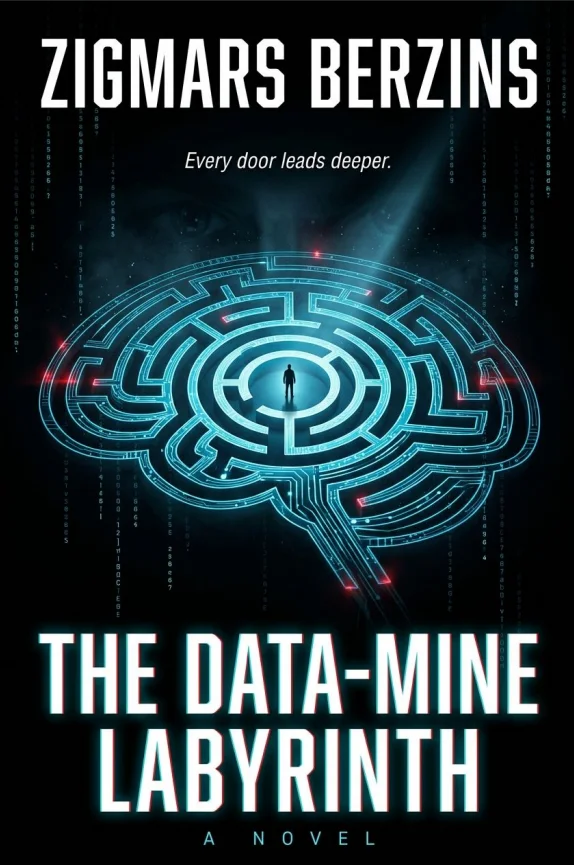
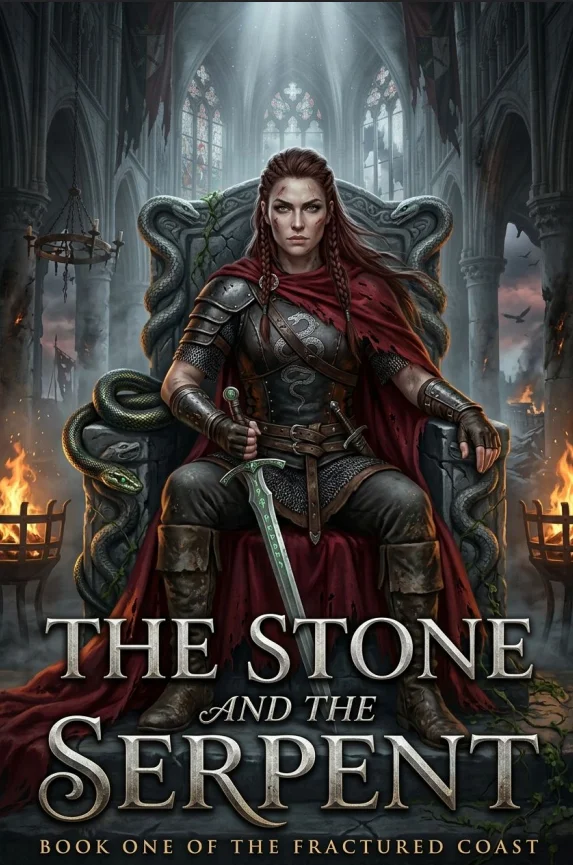
Every novel below was written 100% automatically by BookNova — characters, plot, hard worldbuilding, dialogue, cover and chapter art.
One click. The AI handles everything. Download and read the actual quality of an AI-written sci-fi novel before you buy.
You've got the rival empires, the rogue AI, the generation ship that's been adrift for 200 years, the magic-system-but-it's-quantum-physics. But instead of releasing your sci-fi series on KDP, you're stuck:
Skip the months of worldbuilding spreadsheets, faction whiteboards, FTL-physics rabbit holes, and 12-draft chapters. Whether it's a sweeping space opera or a tight cyberpunk noir — it's done.
From sweeping space opera to gritty cyberpunk, hard sci-fi to dystopian, military space marines to first contact — pick the subgenre your readers crave, drop a story idea, get a finished sci-fi novel with worldbuilding, factions and chapters fully written.
Galactic empires, starship crews, rival houses, FTL warfare across a hundred systems. The Expanse / Mass-Effect-coded subgenre that anchors the genre.
Subgenre · Sci-FiReal-physics-only. Orbital mechanics that work. Engineering problems with engineering solutions. The Andy-Weir / Project-Hail-Mary-coded subgenre.
Subgenre · Sci-FiNeon megacities, neural implants, megacorp shadow wars, hackers and ronin. The Neuromancer / Blade-Runner-coded subgenre that's never gone out of style.
Subgenre · Sci-FiAuthoritarian regimes, surveillance states, controlled populations, rebellion arcs. The 1984 / Hunger-Games / Handmaid's-coded subgenre.
Subgenre · Sci-FiAfter the bombs. After the plague. After the AI. Survival, scarcity, found family, slow rebuilding. The Road / Station-Eleven-coded subgenre.
Subgenre · Sci-FiSpace marines, alien wars, fleet operations, rank-and-file soldiers in interstellar conflicts. Old Man's War / Starship-Troopers-coded reliable seller.
Subgenre · Sci-FiThe signal arrives. Or the ship lands. Or they've been here all along. Humanity's first encounter with the truly alien — built into the AI's beat sheet.
Subgenre · Sci-FiTime loops, paradoxes, multiple timelines, fixed points and branching futures. The structurally hardest sci-fi subgenre — the AI handles the math.
Subgenre · Sci-FiAlien warriors, human heroines, fated bonds across species. The fastest-growing romance hybrid — KU readers can't get enough.
Subgenre · Sci-FiStat sheets, XP grinds, dungeons, system messages, virtual realms. The Dungeon-Crawler-Carl / Ready-Player-One wave with a fanatic KU readership.
Subgenre · Sci-FiDrowning cities, desertified continents, climate refugees, geo-engineering ethics. The newer subgenre that traditional publishing keeps spotlighting.
Subgenre · Sci-FiGene-edits, designer humans, splicer black markets, post-human ethics. Body-horror-edged sci-fi for readers who liked Annihilation.
Subgenre · Sci-FiBrass airships, sunlight cities, alternative-history tech, optimistic-future biotech. Aesthetic-driven sci-fi subniches with passionate readers.
Subgenre · Sci-FiSentient AI awakening, post-human transitions, uploaded consciousness, machine gods. The 2026 sci-fi conversation, written into novels.
Subgenre · Sci-Fi200-year voyages, terraforming colonies, isolated populations going strange, contact with what's been waiting on the surface. Slow-burn sci-fi at its purest.
Subgenre · Sci-Fi5+ book space operas. Multi-arc dystopian trilogies. Recurring crews across many missions. Build a sci-fi saga readers binge in order.
Format · Multi-BookMost AI writes chapter by chapter and forgets how the FTL drive works. Alien physiology changes between chapters. The empire's faction names quietly shift by chapter 15. The colony's population is 80,000 in chapter 3 and 12,000 by chapter 9.
We solved this. We built the Story Thread Engine — it tracks every tech rule, every faction, every alien species, every star system, every named ship across your entire sci-fi novel, from inciting anomaly to final twist.
Tracks every sci-fi beat from setup to payoff — the inciting anomaly, the first contact, the betrayal, the dark moment, the technological reveal, the war, the resolution
Keeps your characters consistent — the captain's command voice, the engineer's stress habits, the alien diplomat's cultural register, the AI's philosophical quirks
Locks in your tech and physics — FTL rules don't change, alien biology stays plausible, weapon ranges stay realistic, station gravity follows the same logic
Locks in your factions and worlds — empire borders, megacorp hierarchies, alien species' politics, planet populations, named ships, named stations
Plants foreshadowing early and pays it off later — the offhand sensor blip in chapter 2 lands as the alien fleet in chapter 18
Maintains a real-time story state — who's seen what, who's been to which planet, who's lost who, what tech's been deployed, what's classified
The result: AI-generated sci-fi that holds its worldbuilding from page one to the last chapter — the way readers expect from Reynolds, Tchaikovsky, Bujold, Weir.
Remembering your sci-fi world is step one. Writing each chapter like a sci-fi novelist who actually understands pacing and tech-info-dump balance is step two.
Before any chapter is written, the sci-fi structure is validated. After every chapter is finished, it gets validated again.
The full sci-fi timeline and scene-by-scene flow are mapped first — so transit times, light-year distances, FTL durations, and faction movements line up across the entire saga. No "three days later" that turns out to be impossible at sub-light speed.
Each chapter is written using the craft techniques above — opening, ending, continuity, location handling — applied chapter by chapter, always aware of what came before in the sci-fi arc.
A second pass scans the finished book for accidentally rushed pacing or tech-rule contradictions — so the FTL drive doesn't suddenly outrun light by a factor of ten in chapter 14, the AI's capabilities stay defined, and the resolution feels earned.
The result: sci-fi chapters that feel hand-written, plotted, and edited — not auto-generated.
Plot, alien factions, hard tech rules, dual-POV chapters, cinematic chase scenes, sci-fi covers, character art — everything a real sci-fi novel needs, generated in minutes.
Drop your premise, pick your subgenre, and the AI writes the whole novel. Plot beats, scene-by-scene narrative, crew dialogue, and faction-political arcs — chapter after chapter, it reads like a published space opera or hard sci-fi.
Tech rules never contradict themselves. Star systems never magically swap. Subplots about the rogue AI never get dropped. Our AI tracks every plot thread, every faction, and every revelation across your entire sci-fi novel — so the saga stays airtight from inciting anomaly to resolution.
Distinct crew voices, believable rank-and-file dynamics, alien diplomats with cultural register, and a fully built sci-fi universe — star systems, megacorps, empires, alien species, FTL physics, named ships — consistent across the whole book.
Write your sci-fi novel in any major language to reach global readers. Generate sci-fi fiction in English, Spanish, German, French, and 50+ other languages to publish in any KDP market your readers buy from.
Cinematic, genre-coded covers that look like they belong on the sci-fi bestseller shelf. Spaceship silhouette, neon cyberpunk skyline, dystopian wasteland, alien planet, military space marine — the AI matches your subgenre's vibe so readers instantly recognize the genre.
Custom character portraits and chapter art of your sci-fi world — the captain, the alien diplomat, the bridge of the starship, the colony surface, the dystopian megacity. Perfect for special editions, Bookstagram and book trailer content.
Every novel is built on the proven sci-fi arc — ordinary world, inciting anomaly, mission brief, escalation, dark moment, technological/strategic reveal, climax, resolution. The AI also bakes in subgenre-specific pacing (tight cyberpunk, sweeping space opera, slow-burn hard sci-fi).
Sharp captain command voice, engineer slang, alien register, AI philosophical detachment, dystopian whisper. Voice and prose rhythm match your subgenre's mood — cyberpunk noir-tight, space opera operatic, hard sci-fi precise, dystopian breathless.
Space opera, hard sci-fi, cyberpunk, dystopian, post-apocalyptic, military, first contact, time travel, sci-fi romance / alien mates, LitRPG, climate fiction, biopunk, steampunk, AI/singularity, generation ship. The AI knows what each subgenre needs.
Download your finished sci-fi novel as a professionally formatted PDF, EPUB, or DOCX — ready to upload directly to Amazon KDP, Kobo, Apple Books, or any platform you choose. Drop caps, scene breaks, glossary support, all done.
Third-person multi-POV owns space opera and military sci-fi. First-person owns cyberpunk, dystopian and LitRPG. Pick what your readers expect on the page.
Captain + crew + alien diplomat + rival empire chapters. The Expanse / Bujold-coded format that anchors space opera and military sci-fi sagas.
Tight first-person voice in a neon-soaked megacity. The Neuromancer / Altered-Carbon-coded format for cyberpunk and noir-edged sci-fi.
Immediate "I am here right now" narration. The Hunger-Games / Divergent-coded format that owns YA dystopian and post-apocalyptic.
Single technical-minded narrator working the engineering problem from the inside. The Martian / Project-Hail-Mary-coded format for hard sci-fi and survival.
Closer-to-the-protagonist narration with sci-fi distance. Right for sci-fi crossing into thriller / techno-thriller territory.
Modern punchy multi-POV sci-fi prose. Cinematic immediacy across multiple players — right for action-driven sci-fi and disaster-scale stakes.
All-knowing narrator who can step into any crew, any species, any era. Right for sweeping multi-generation space sagas.
Multiple "I am here" narrators. Right for LitRPG party-based stories and ensemble dystopian arcs.
Story told through ship logs, leaked transmissions, classified files, post-mission reports. The Illuminae / World-War-Z-coded format.
Power-user escape hatch. Describe a non-standard sci-fi hybrid (mixed POV, alien-narrator, AI-narrator, multi-timeline) in Tone & Voice and the AI will follow it.
Whatever the sci-fi subgenre, the AI matches the POV craft conventions sci-fi readers already expect.
From one "what if" premise to a finished, KDP-ready sci-fi novel
Pick your subgenre (space opera, hard sci-fi, cyberpunk, dystopian, military, first contact, LitRPG, sci-fi romance…), sketch your crew or protagonist, set your worldbuilding rules, choose length and tone. The AI takes it from there.
Our AI generates the full sci-fi novel — inciting anomaly, scene-by-scene chapters, crew dialogue, faction politics, technological reveals, and chapter art. The Story Thread Engine keeps tech rules, alien species and star systems consistent from page one to resolution.
Choose a sci-fi-perfect cover designed to look like a bestseller on Amazon. Spaceship silhouette, neon cyberpunk skyline, dystopian wasteland, alien planet, military space marine — whatever your subgenre's vibe is.
Export your finished sci-fi novel as PDF, EPUB, or DOCX — ready for Amazon KDP, Kobo, Apple Books, or your own author store. Or print paperbacks. You keep 100% of every sale.
You wrote the book. Now Bookstagram wants character cards of your starship captain. BookTok wants aesthetic quotes from the dystopian dark moment. Your newsletter needs teasers about the alien first contact. Suddenly you're spending more time in Canva than you ever spent worldbuilding.
Not anymore. The Author Launch Kit auto-generates your entire sci-fi marketing arsenal the moment your book is done.
4–6 per book
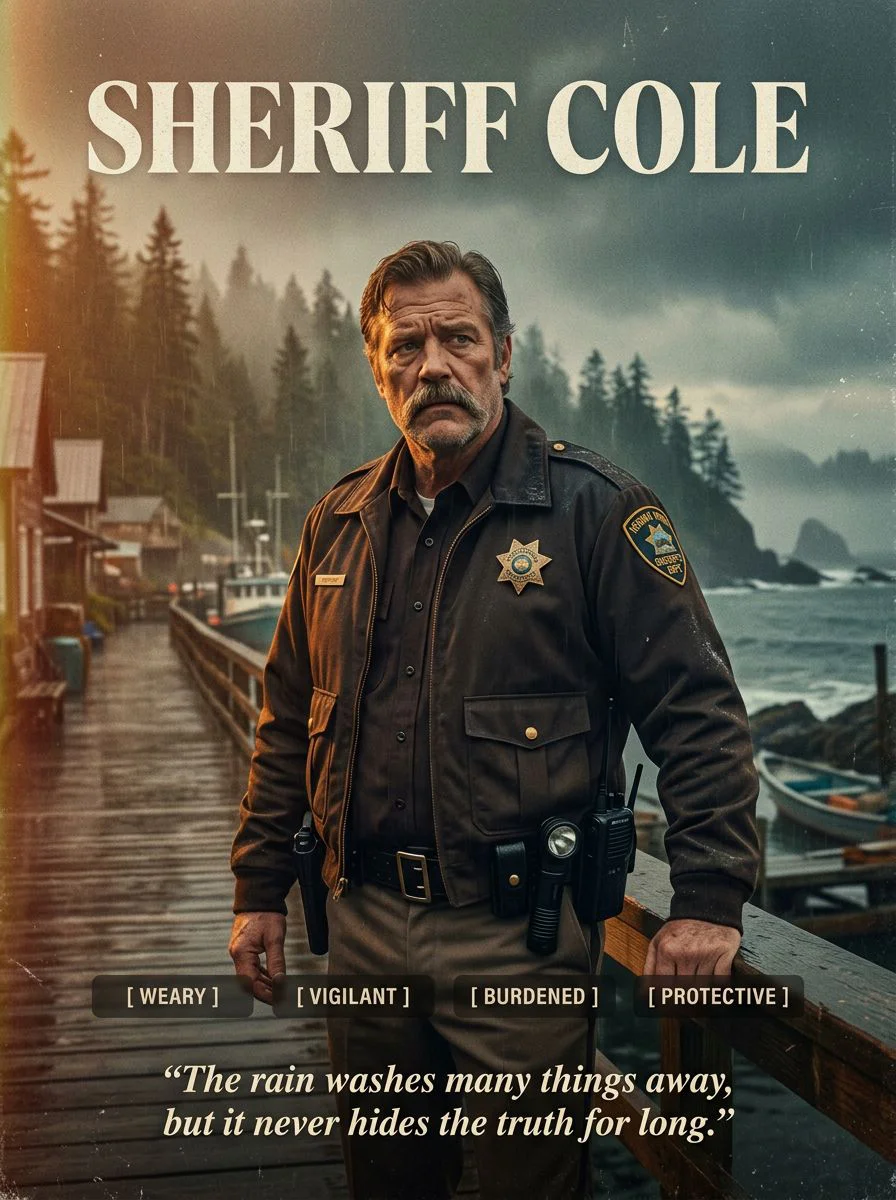
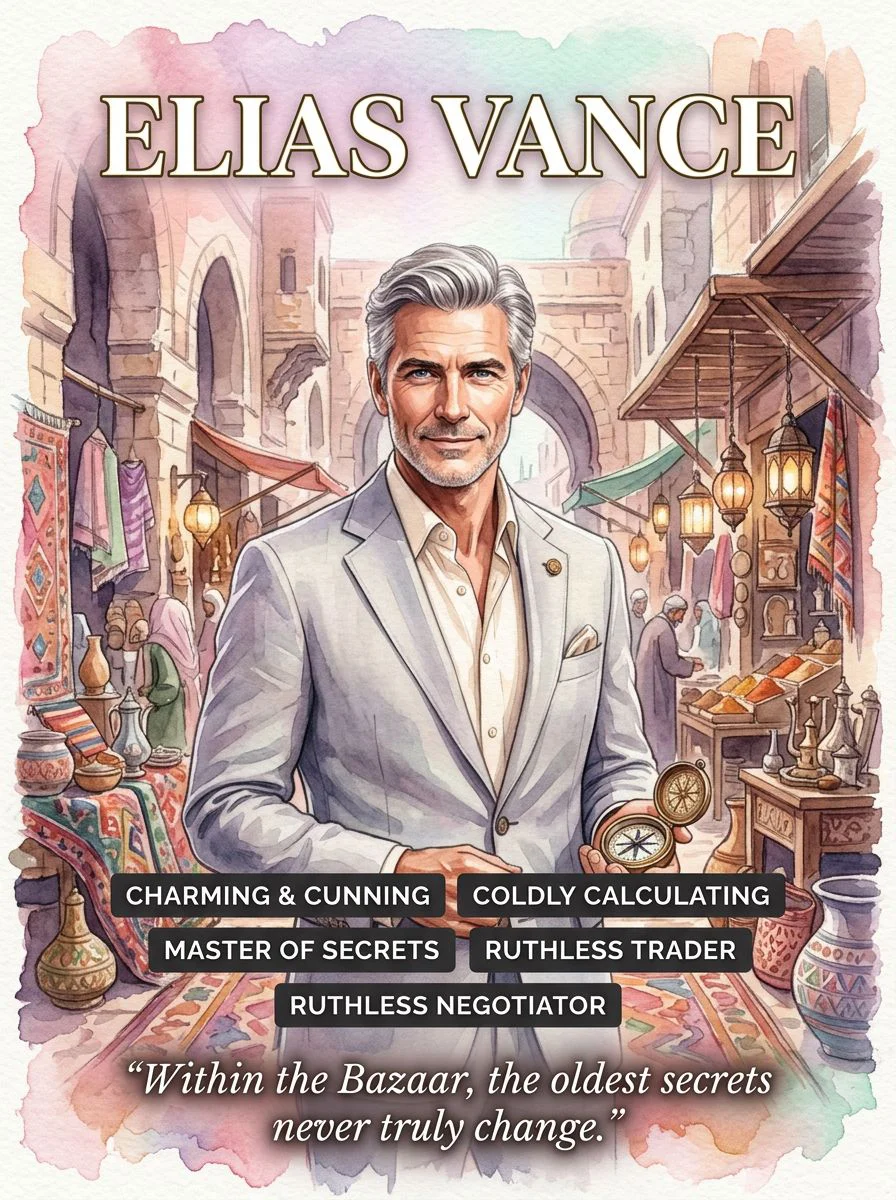
Visual cards for your captain, crew and alien diplomats featuring AI-generated portraits, personality traits, trope tags like "Starship Captain" or "Rogue AI," and an actual quote your character says in the book.
Each card features a full AI-generated portrait styled to match your sci-fi subgenre, key personality traits, and trope tags that sci-fi readers instantly recognize — "Starship Captain," "Rogue AI," "Alien Diplomat," "Cyberpunk Hacker," "Resistance Leader."
Cards are sized at 1080×1350px, optimized for vertical social media. The styling automatically matches your book's setting — deep space black for space opera, neon for cyberpunk, dust-and-rust for post-apocalyptic, sterile chrome for hard sci-fi, alien biomes for first contact.
Where to use them: Bookstagram sci-fi-aesthetic posts, BookTok crew-introduction videos, Pinterest sci-fi mood boards. The trope-tag format is native to how sci-fi reader communities talk about characters.
8–10 per book
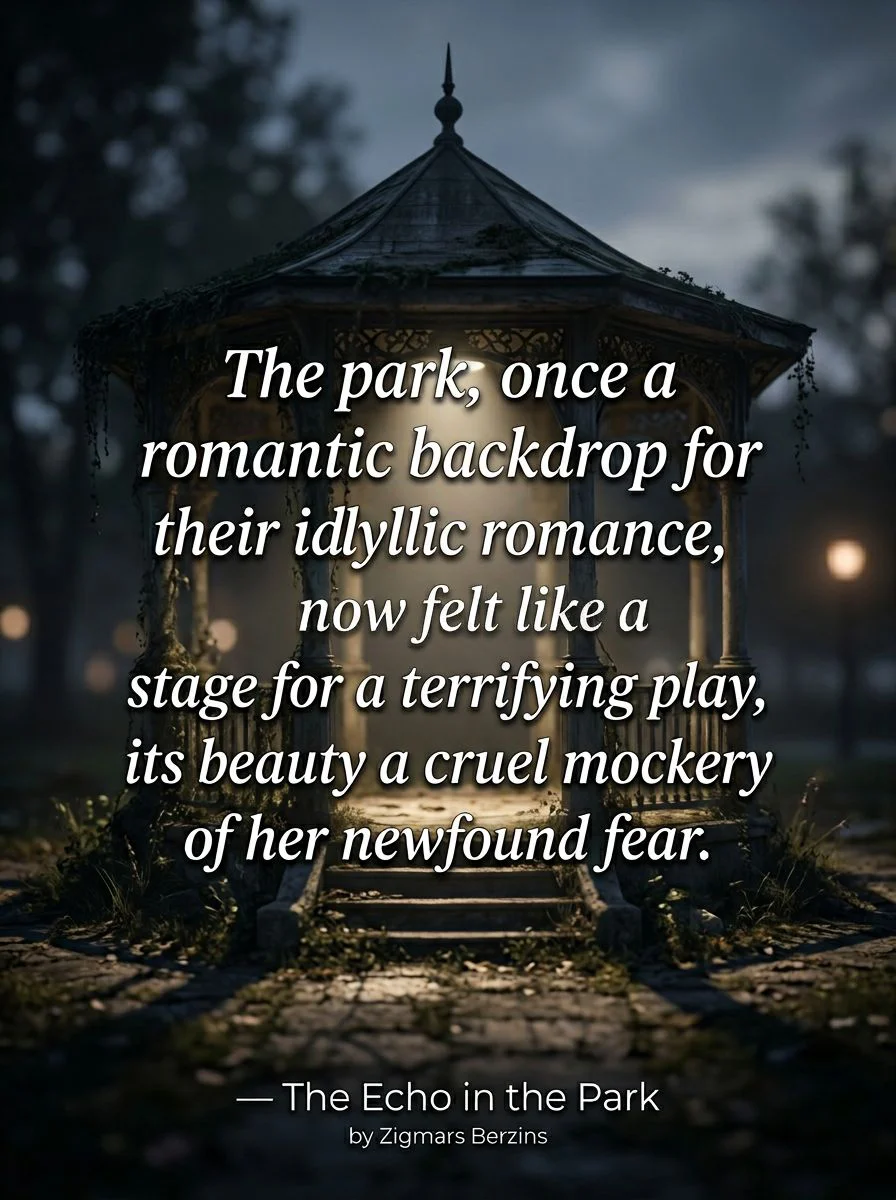
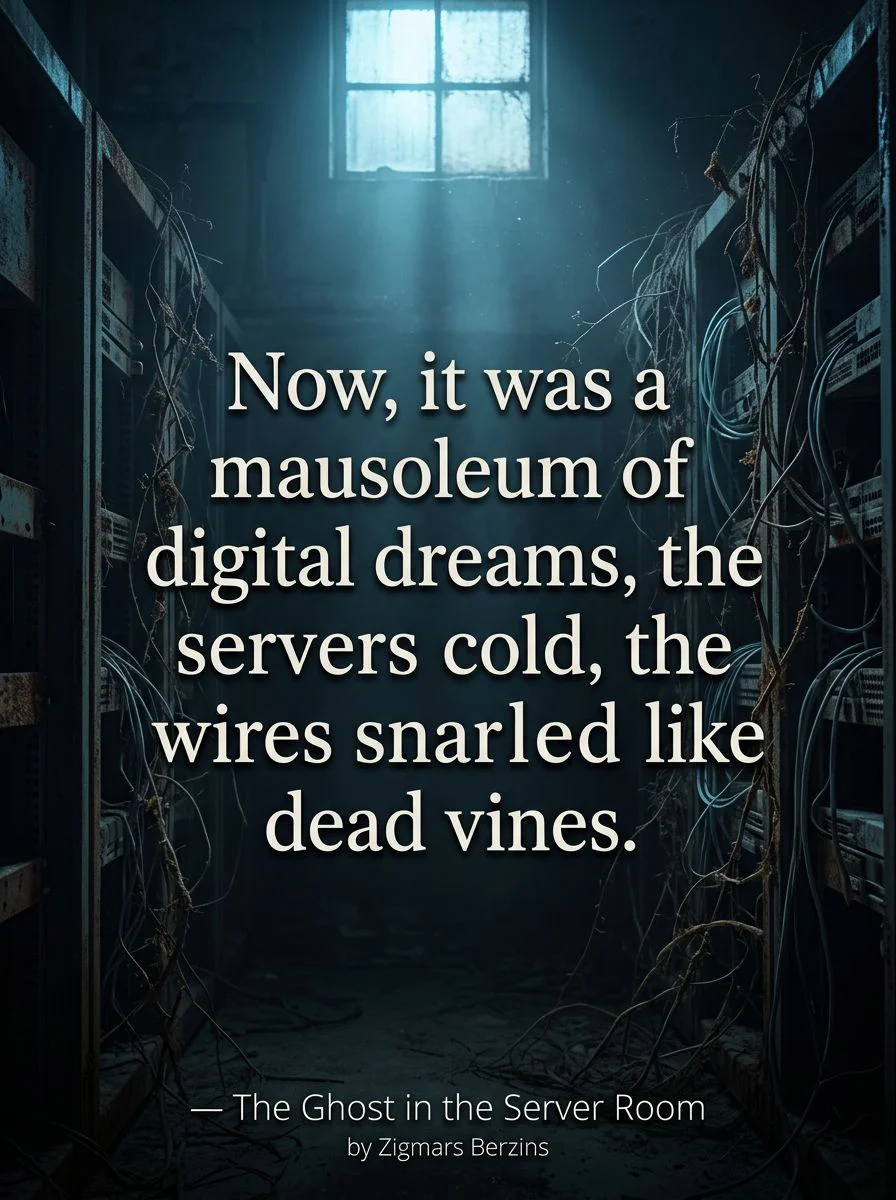
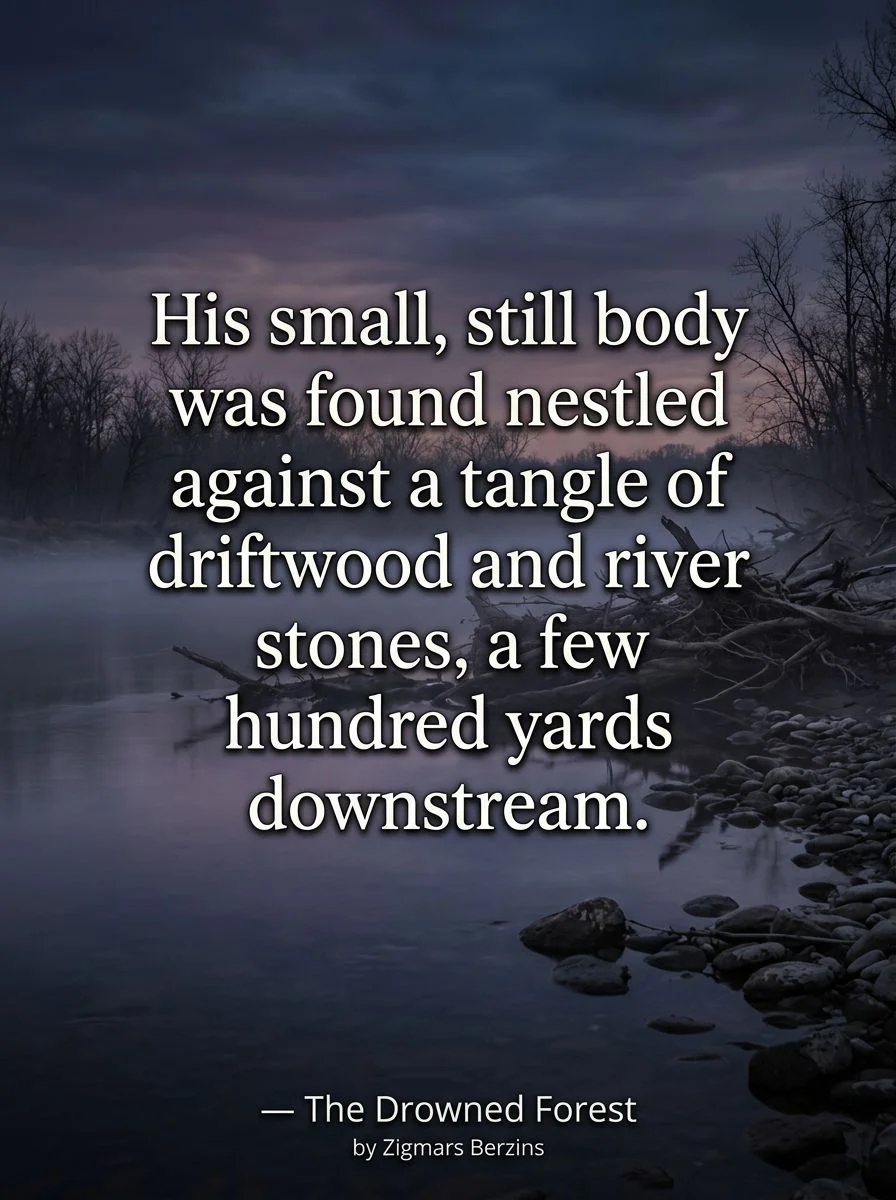
The system scans your entire sci-fi novel and pulls out the most quotable lines — the philosophical AI monologue, the captain's command, the dystopian rebel's declaration, the dark-moment realization — then places them on AI-generated backgrounds that match the cinematic atmosphere.
Star-streaked black for space opera. Neon magenta and electric blue for cyberpunk. Rust-orange wasteland for post-apocalyptic. Sterile chrome for hard sci-fi. The AI matches the visual atmosphere to your novel automatically.
Two sizes included: 1080×1080px for your Instagram feed, and 1080×1920px for Stories and TikTok.
Where to use them: Aesthetic sci-fi quotes are core content on sci-fi Bookstagram and BookTok. Cinematic-quote carousels and crew-introduction reels are how readers discover new sci-fi authors.
5 per book
Short 100–200 word excerpts from your sci-fi novel's highest-tension scenes — the inciting anomaly, the first contact, the betrayal, the dark moment, the just-before-twist beat. Each one drops you right into the moment and cuts off before the resolution.
Every teaser comes with a hook line like "By the time the signal arrived, the colony was already gone…" ready for your next BookTok video, Instagram caption, or email newsletter blast.
The AI identifies the most cinematic and emotionally charged scenes in your sci-fi novel and extracts the passages that will make readers need to know what happens next.
Where to use them: BookTok video overlays (text-on-screen with cinematic audio), Instagram captions, email newsletter hooks, and Goodreads updates. Sci-fi teasers with cinematic visuals are one of the top-performing content formats in the genre.
All auto-generated from your book's text and Story Thread Engine data. No copy-pasting. No Canva templates. No designer.
Your sci-fi novel is ready. Now your marketing is too.
Built for sci-fi authors who want to publish more books in their saga — without staring at the same worldbuilding spreadsheet for months
Every plan includes the full power of BookNova. No hidden limits, no feature locks.
Author Launch Kit
AI Models Included
Not satisfied? Get a full refund within 30 days. No questions asked.
Everything you need to know about writing your sci-fi novel with BookNova
BookNova is built specifically for fiction — and sci-fi is one of its strongest niches. The AI knows the subgenres (space opera, hard sci-fi, cyberpunk, dystopian, post-apocalyptic, military, first contact, time travel, sci-fi romance, LitRPG, climate fiction, biopunk, steampunk, AI/singularity, generation ship), the beats (inciting anomaly, mission brief, escalation, dark moment, technological reveal, climax), and the genre's voice (captain command voice, alien register, AI philosophical detachment, dystopian whisper). Pick your subgenre, sketch your crew or world, and the AI writes a complete sci-fi novel.
Yes — this is exactly what the Story Thread Engine is built for. The biggest pain in writing sci-fi is keeping FTL drive rules, alien physiology, faction borders, ship classes and named systems consistent across 90k+ words. BookNova tracks all of it in real time. The empire that controls the Outer Rim in chapter 3 still controls it in chapter 23. The FTL drive that takes 4 days to cross a sector still does in chapter 18. No more "wait, I already established that…"
Both. You set the level. For hard sci-fi (Andy-Weir-coded), the AI sticks to real physics — orbital mechanics, light-speed limits, engineering-problem solutions. For soft sci-fi or space opera, you can define your own rules (FTL, force fields, energy weapons) and the Story Thread Engine will keep them consistent. Same for cyberpunk: you decide whether neural-net hacking is realistic or stylized, and the AI honors it across the whole book.
1 credit = 1 word generated. Most sci-fi novels run 90,000–130,000 words (the genre runs longer because of worldbuilding density). Hard sci-fi and space opera often run 100k+. A sci-fi novella runs 30,000–50,000. Your 200,000 monthly credits let you write a full-length sci-fi novel plus a novella every month — perfect for indie authors building a space opera saga.
Yes — this is one of the most popular sci-fi use cases. Keep the same star systems, alien factions or megacorps across multiple books, bring back side characters (the alien diplomat, the rival captain) as future POV protagonists, and build a connected sci-fi saga that readers will binge. The Story Thread Engine maintains worldbuilding consistency from book to book within your saga.
No additional payments required. All AI models are fully included — Gemini, Claude, OpenAI, LLaMA, DeepSeek for text, and Imagen, Ideogram, Flux for image. No API keys to manage. Buy a plan, log in, write your sci-fi novel.
It's a one-time payment — no subscription, no recurring charges. After purchase, your credits automatically refresh every month based on your plan (Lite, Pro, Platinum, or Author). Pay once, write sci-fi forever.
We offer a 30-day money-back guarantee, no questions asked. If your first sci-fi novel doesn't meet your expectations, contact support and we'll process your full refund within 24 hours.
Most sci-fi novels generate in 60 to 120 minutes — longer than contemporary fiction because of worldbuilding density and word count. A sci-fi novella can be ready in 40 minutes. A full-length 100k-word space opera takes about 90 minutes. You define your subgenre, your world, and your crew — the AI handles plotting, scene-by-scene writing, dialogue, faction politics, tech setup, character art, and the cover. What would normally take 6–18 months is done in one sitting.
Yes, absolutely. You get full publishing rights and keep 100% of the royalties. Publish on Amazon KDP, Kobo, Apple Books, Barnes & Noble, your own author website, or any platform. Print paperbacks, release ebooks in Kindle Unlimited, build a sci-fi saga — the books are yours to publish and monetize however you want.
BookNova writes sci-fi in 50+ languages including English, Spanish, German, French, Portuguese, Italian, Dutch, Polish and more. Reach sci-fi readers worldwide — the AI generates native-quality sci-fi in each language with proper subgenre conventions.
Subgenres: Space Opera, Hard Sci-Fi, Cyberpunk, Dystopian, Post-Apocalyptic, Military Sci-Fi, First Contact, Time Travel, Sci-Fi Romance / Alien Mates, LitRPG / GameLit, Climate Fiction (Cli-Fi), Biopunk / Genetic, Steampunk / Solarpunk, AI / Singularity, Generation Ship / Colony.
Tropes: Rogue AI, First Contact Gone Wrong, Found Family Crew, Reluctant Captain, Empire vs. Rebellion, Megacorp Shadow War, Alien Mates, Lost Colony, Dystopian Awakening, Survival Engineering Problem, Time Loop.
Tone: Hard real-physics, soft space opera, gritty cyberpunk noir, sweeping epic, military procedural, philosophical AI — you set the level.
Ask me anything about our platform
from
generated