


Series & Saga Writing
One Book Is a Start.
A Series Is a Career.
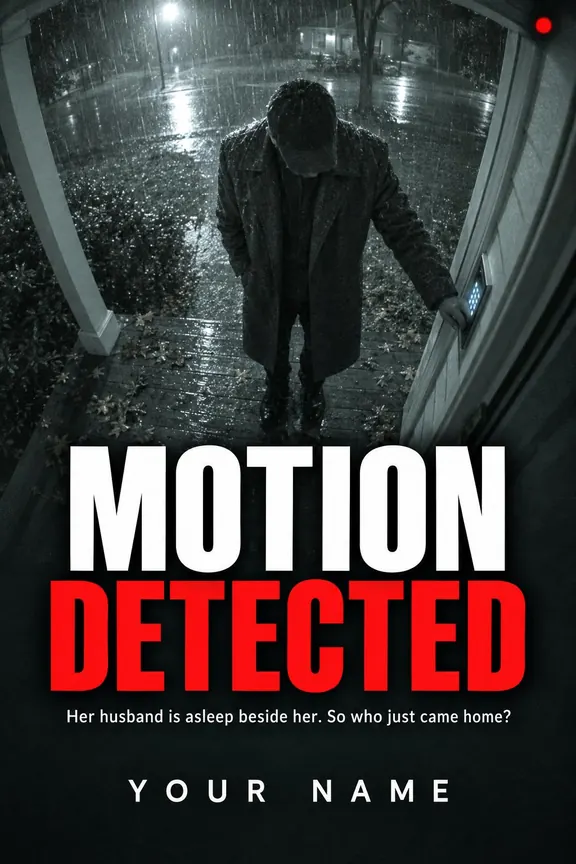
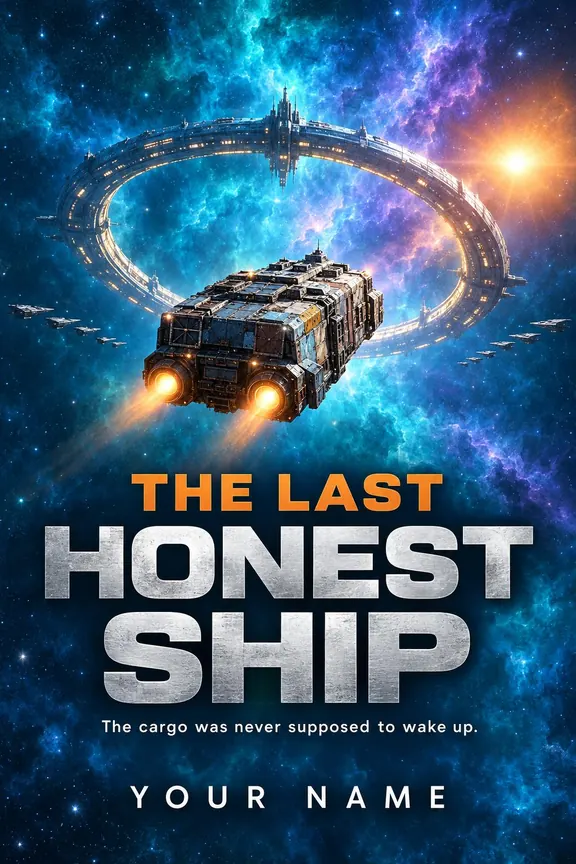
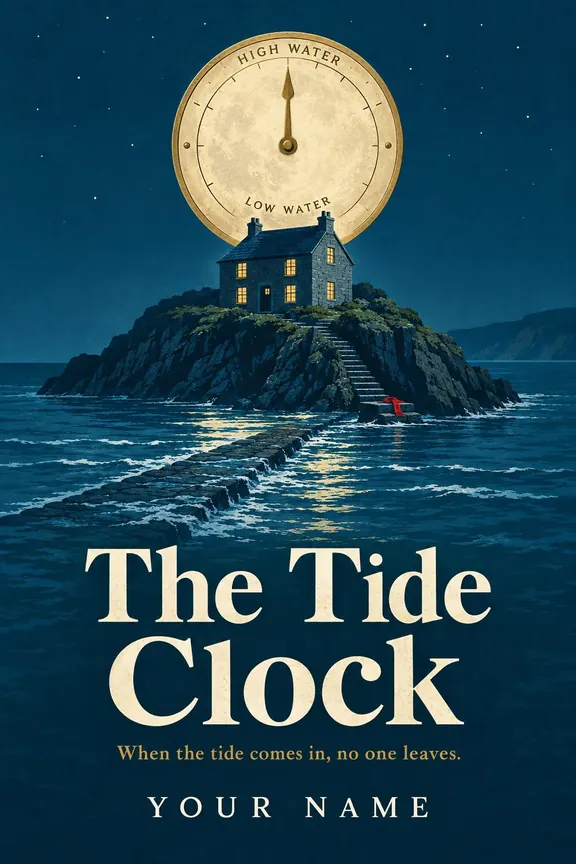
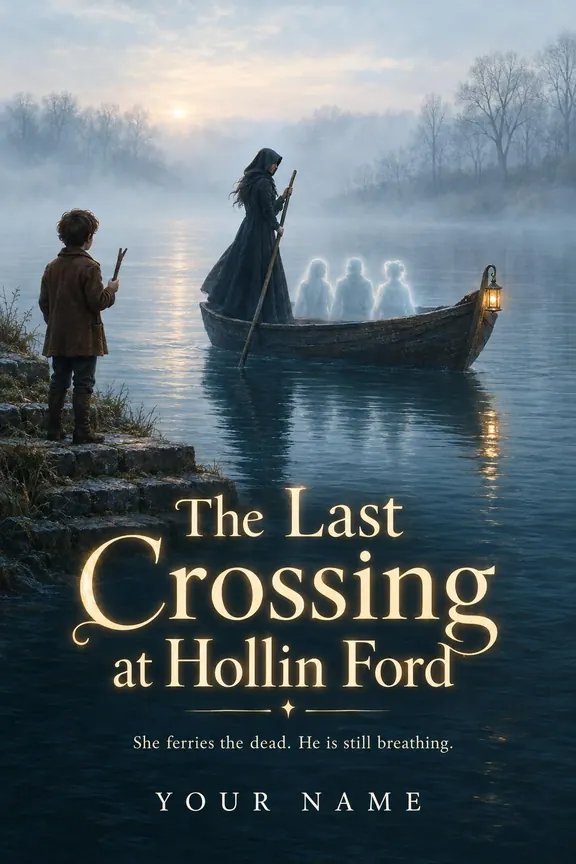
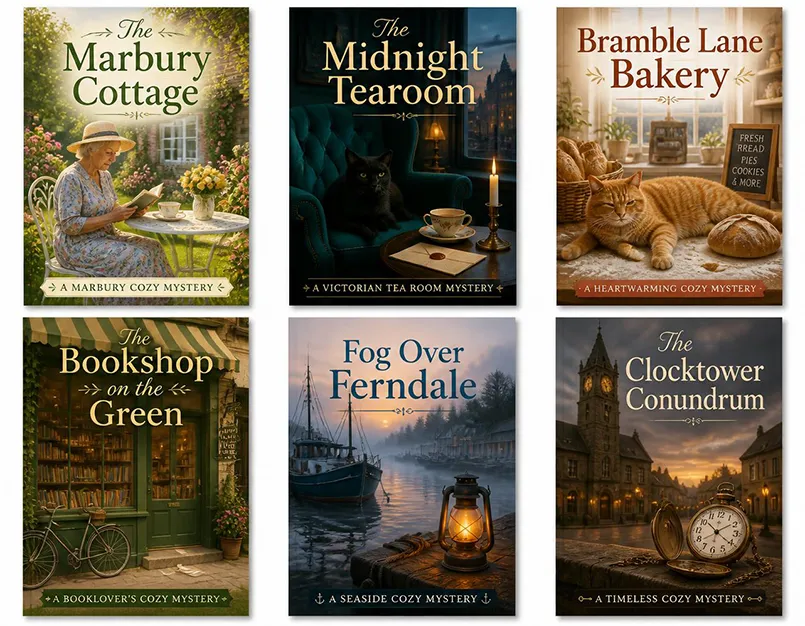
Epic fantasy sagas. A detective who comes back every book. A small town where each novel is a new couple. Readers who finish Book 1 want Book 2 — and BookNova turns any finished novel into a series, carrying your world, your cast and your canon into the next book automatically.
You saw the Story Thread Engine keep one book airtight. Series Writing does the same thing across ten.
Part 1
The Two Ways Real Authors Build a Series
You choose the model when you start the next book. Both are proven, commercially different shapes — and BookNova handles each one differently under the hood.
Model 1 · Continuous
Continue the Story
One protagonist and an overarching plot that carries across books — epic-fantasy sagas, a single hero's trilogy, a long-running detective.
- Book 2 begins from where Book 1 ended
- Earlier events, relationships and revelations are treated as established fact
- Returning characters start at their end-of-previous-book state
- A recap of the previous book feeds generation, so the installment continues seamlessly — while still telling a fresh, self-contained conflict
Model 2 · Companion
New Story, Same World
Each book is a complete story about a new lead in the same world with a shared cast — the romance model that dominates the market: same small town, a different couple every book.
- World, locations, tone and supporting cast carry over
- A new protagonist headlines — optionally a side character promoted from the previous book
- Previous-book twists are never spoiled
- Every book stands completely on its own
Part 2
What Carries Over — You Decide
One step, up front. Tick what the next book inherits, untick what you want rebuilt from scratch. The new book's Story Bible then shows you exactly what was carried in.
World, setting & themes — the established world is reused, not reinvented for every book
Tone & voice — the narrative voice stays recognisably yours from Book 1 to Book 10
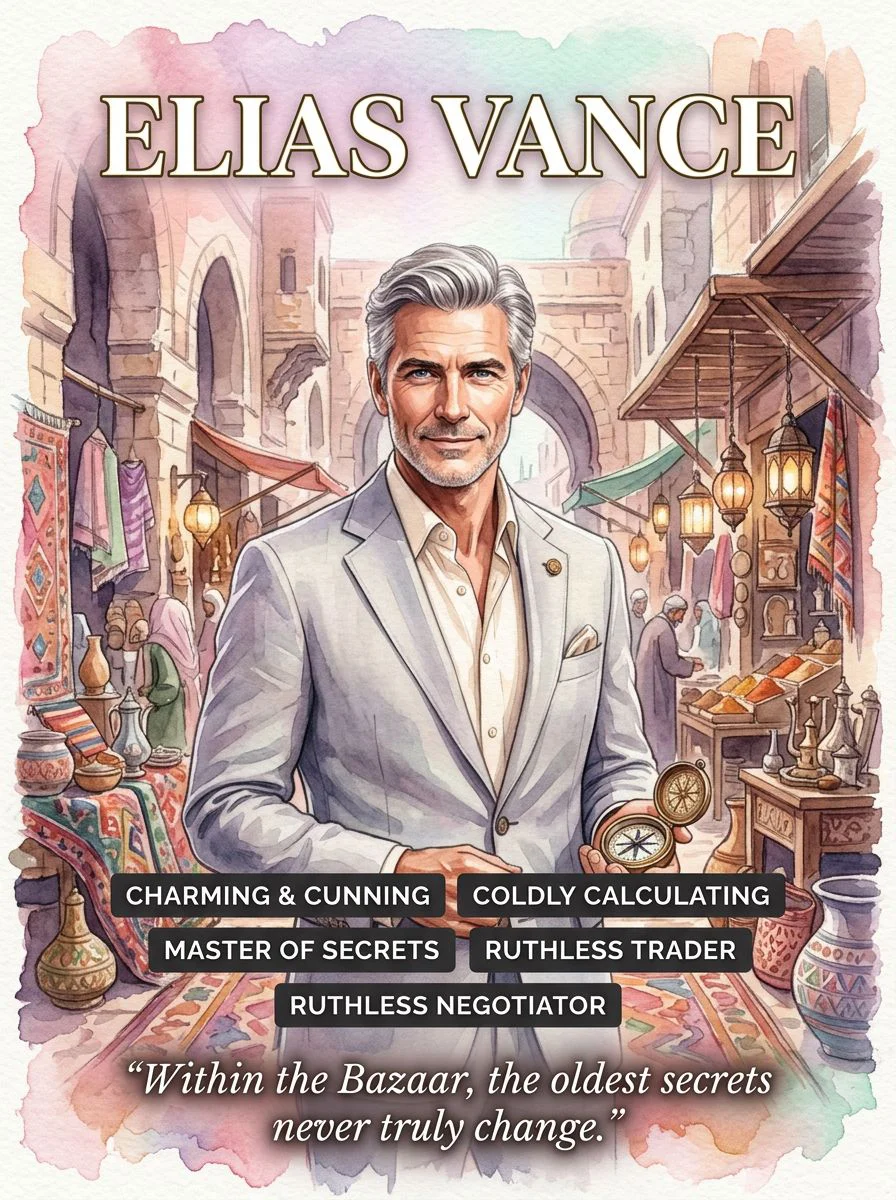
Recurring characters — the cast is carried in automatically, no manual re-adding. Each returning character is the same entity across the series: same identity, same facts
Series canon — the locked facts established in earlier books: names, places, world rules, relationships
Recap of the previous book — for continuous series, so the story picks up directly instead of starting cold
Everything is optional, per book — anything you don't want to reuse, you simply untick
Character state carry-over
A Character Who Died in Book 1 Never Quietly Comes Back
A series isn't just the same names again — characters change. BookNova reads each returning character's condition at the end of the previous book and brings it forward. On every character card you get a clear, editable control:
Alive — active
Alive — off-page
Deceased — memory / flashback only
Deceased — gone
Missing / departed
Plus a free-text note — “divorced; moved to the city; lost an arm.”
Generation respects every one of them: the deceased appear only in memory or reference, an off-page character can be mentioned but won't anchor scenes, an active character keeps growing their arc. That's the difference between a sequel that remembers and one that contradicts itself.
Part 3
Continuity That Reaches the Actual Prose
Most “series” tools keep a story bible and hope the chapters follow it. BookNova enforces continuity at every stage of generation — so the finished prose actually honours it.
Series Canon Lock
Names, world facts and relationships from earlier books are injected directly into each chapter's prose generation — the model can't rename a character or rewrite an established fact mid-series.
Sequel-Aware Story Bible
The new book's premise and structure are built from the previous one — recap, carried state and canon together — so Book 2 grows out of Book 1 instead of starting cold.
Point-of-View Discipline
If your book is single-POV, carry-over never promotes a returning character into their own viewpoint. Their developments reach the reader the way real single-POV fiction does it — through what your narrator witnesses, is told, or pieces together.
No-Spoiler Safety
Standalone books in a companion series stay understandable and twist-safe for readers who start there — so a new reader can pick up Book 4 first and lose nothing.
And the Whole Shelf Stays Organised
My SeriesYour books grouped by series, in order — Book 1 · Book 2 · + add the next.
Series BibleSee exactly what the AI remembers across the whole series — every recurring character with their current state, and the locked canon facts.
Gap-free numberingDelete a book from the middle and the rest renumber cleanly. The series name flows onto the cover: “Book N of…”
Build a backlist, not one-offs — with continuity you can trust instead of continuity you have to police chapter by chapter.
Series Writing is included with the Platinum and Author plans.